REAL WORLD APPLICATIONS
Programming Languages
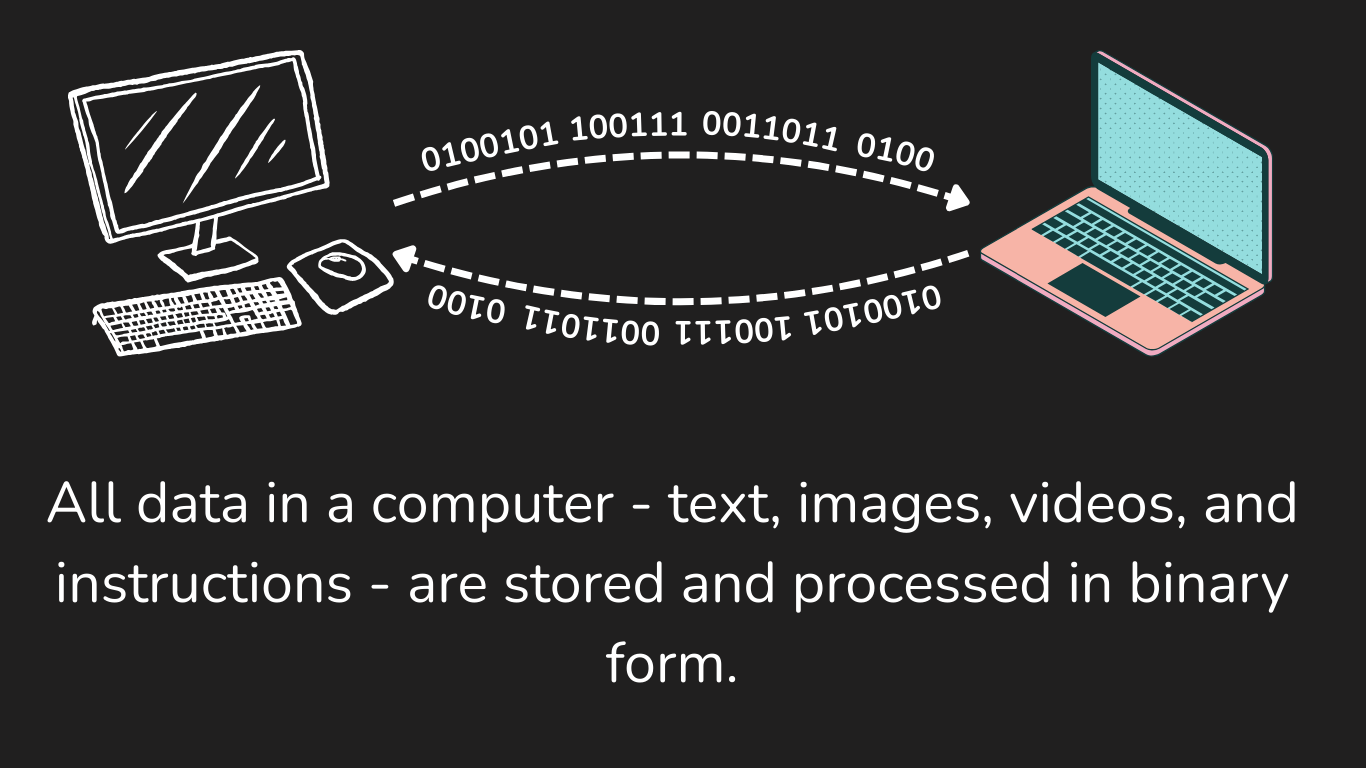
Programming languages like Python or Java are written by humans but must be converted into binary — 0s and 1s — for computers to understand. This binary code controls the computer's hardware by turning transistors on or off, making it the core language that powers all software operations.
Binary Data Storage
Cryptography and Cybersecurity
Binary is essential for encryption algorithms, data encoding, and security protocols. Example: Encrypted messages are binary sequences processed with specific keys.
Digital Communication Systems
Includes Wi-Fi, Bluetooth, mobile networks, satellites & Use to Transmit data as binary signals 0 and 1 are converted into electrical, light, or radio pulses for communication.
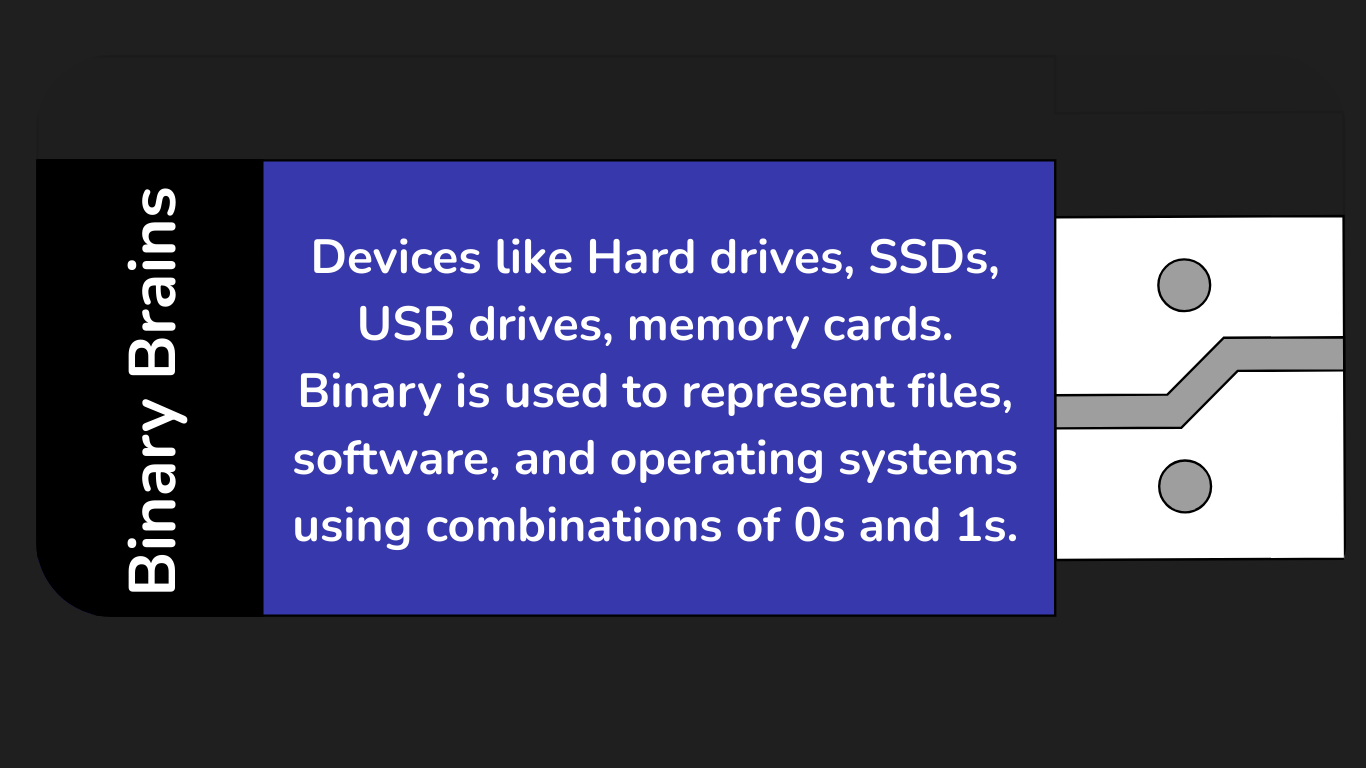
Data Storage Devices
Smartphones
Input Devices
Each key press or movement is translated into a binary code (e.g., pressing 'A' sends 01000001).
Digital Electronics & Circuits
Digital devices like calculators and clocks use binary logic in their circuits. These circuits process signals as either 0 (off) or 1 (on) using logic gates, allowing them to perform tasks, make decisions, and operate reliably in real-time.